26 October 2026
What counts as permanent grassland under CAP eligibility rules
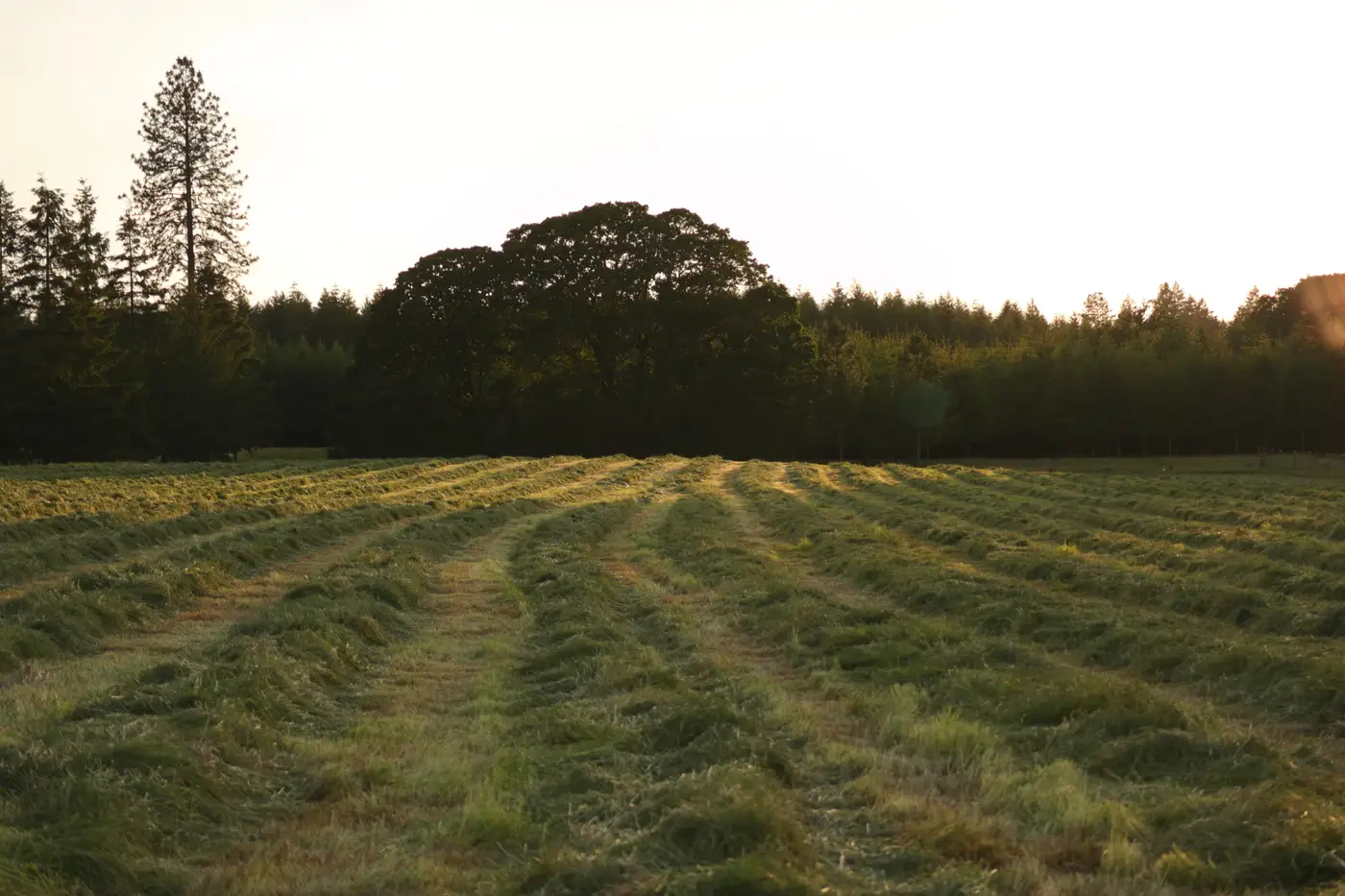
If you've ever pulled a claim file and found a parcel coded as permanent grassland with no obvious grazing or mowing pattern behind it, you already know the definition matters more than it sounds. Get the classification wrong on a reference parcel and you're either chasing a false non-compliance or missing a real one.
The five-year rule, in plain terms
Under the CAP eligibility definition, a parcel counts as permanent grassland once it has grown grasses or other herbaceous forage, naturally or through cultivation, and has not been included in the farm's crop rotation for five years or more. Below five years, it's temporary grass and sits in the arable book. Cross the threshold and it flips, automatically, whether or not anyone files paperwork to say so.
That automatic flip is the part that catches claim files out. A farmer doesn't apply for reclassification. The clock just runs, and on year six the parcel is permanent grassland under the rules even if the LPIS layer still shows it coded as arable from the last time someone updated it. Auditors end up reconciling two different truths: what the register says a parcel is, and what five years of actual land use say it is.
Member states also set a national or regional ratio of permanent grassland to total agricultural area under GAEC 1, and that ratio depends on parcels being classified correctly in the first place. A handful of misclassified parcels at reference-parcel scale doesn't move a regional ratio much. A systemic pattern, say, a batch of parcels that quietly crossed the five-year mark three claim years ago and were never recoded, can.
Why reclassification trips up claim files
Reclassification cuts both ways, and both directions generate the kind of discrepancy a compliance check is built to catch.
A parcel reclassified as permanent grassland after five years without a rotation entry picks up the conversion restrictions that come with that status, including the ban on ploughing environmentally sensitive permanent grassland. If a claimant then ploughs and reseeds it as if it were still arable, that's a cross-compliance breach, not just a coding update.
Going the other way, a parcel can lose its permanent grassland status if it's ploughed and brought back into rotation. That's legal. The problem is when a claim form keeps declaring it as grassland in the years after the plough-up, either because the farm office hasn't caught up or because nobody flagged the change.
Either direction, the paper trail rarely tells you what happened on the ground. A declaration form records what the claimant says is true this year. It doesn't record whether the parcel was ploughed in year three of the five-year window, which is the one fact that resets the clock and changes the classification.
How satellite verification fills the gap
This is where season-long imagery earns its keep over a single-visit inspection. A field visit in August tells you what's growing in August. It doesn't tell you whether that parcel was tilled in April two years ago, or whether the vegetation signature has shown the cut-and-regrowth pattern of grazed or mown grass across five consecutive seasons rather than the bare-soil, sown-crop cycle of a rotation.
Multispectral passes across a full claim season pick up exactly that difference: a tillage signature looks nothing like an established sward, and the contrast shows up whether or not an inspector ever drives down that particular lane. Run that check against every declared parcel instead of the sample an inspection round can physically cover, and the reclassification cases that slip through on paper stop slipping through on imagery. Subsidy Monitoring builds that check from wide-swath satellite passes taken across the claim season, so a paying agency gets a parcel-by-parcel flag list instead of extrapolating from the handful of parcels an inspector reached.
If grassland reclassification is a recurring line item in your compliance checks, it's worth seeing what a full-parcel pass over the claim season actually flags.