9 November 2026
Grazed vs. mown: what counts as agricultural activity on a claimed parcel
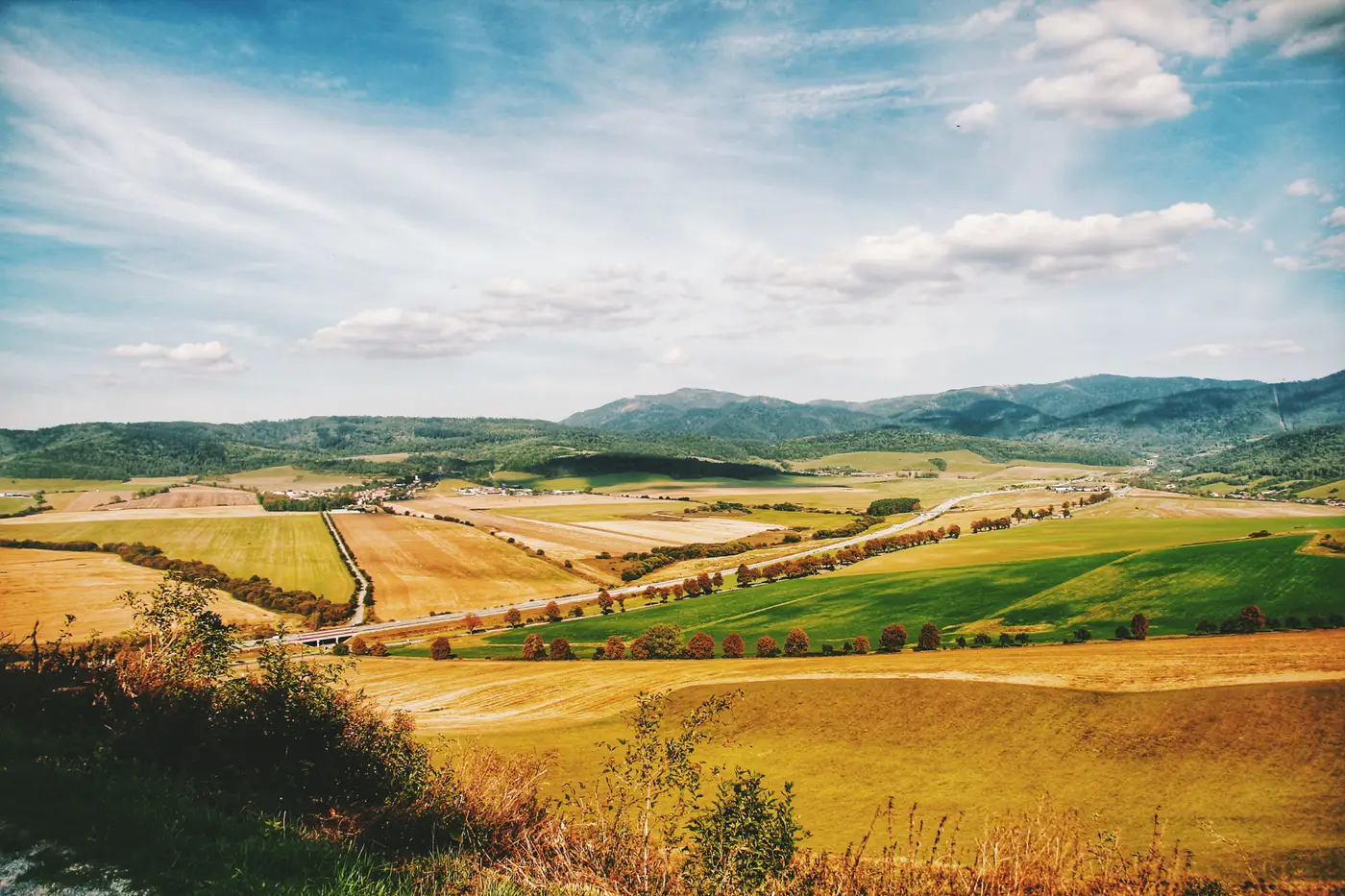
A mown meadow leaves a signature an inspector can read from the gate: cut lines, bales or swath rows, a uniform stubble height across the whole parcel. A grazed parcel leaves none of that. The grass gets shorter in patches, dung accumulates near water troughs and gateways, and the vegetation structure stays uneven all season. That difference is exactly why grazing claims cause more queries than mowing claims do, and why "was this parcel actively farmed" is a harder question to answer on permanent pasture than on an arable block.
What the minimum activity requirement is actually asking
Under the CAP framework, land eligible for direct payments has to be kept in a state suitable for grazing or cultivation, and where it's used for grazing, the claimant has to carry out whatever minimum activity the member state has defined for that land type. That usually comes down to a stocking density threshold, a required number of grazing days, or simply evidence that livestock were present and the sward was managed, not left to scrub over. National schemes vary in the detail, but the underlying test is the same one you're checking against every claim: did something happen on this parcel that counts as farming it, or did it just sit there collecting a payment?
The trouble is that grazing doesn't produce the tidy, dated evidence a cutting operation does. There's no contractor invoice for a cow eating grass. A claimant who genuinely grazed the parcel and one who turned a couple of animals out for an afternoon to generate a plausible story can look identical on paper. Headage records and movement documents from the livestock register help, but they tell you animals existed somewhere in the system, not that they were on this specific parcel for long enough to matter.
Reading grazing activity from imagery instead of paper
This is where a field visit still earns its keep, and where it also runs out of capacity. An inspector walking a parcel can spot trampled gateways, dung distribution, and bite marks on the sward in about ten minutes. What they can't do is walk every grazed parcel in the region every month of the season on the budget most paying agencies have. So the inspection goes to a sampled few percent, and the rest of the grazing claims get waved through on the strength of a self-declaration and whatever the previous year's file said.
Multispectral passes over the claim season capture how a parcel's vegetation index shifts week to week, and that shifting pattern is the signal that reveals grazing activity. A mown parcel shows a sharp vegetation index drop on a single date, usually the same date across neighboring strips cut by the same contractor. A grazed parcel shows a slower, uneven decline that moves around the field as animals rotate, with patches recovering between grazing periods. A parcel claimed as grazed but abandoned shows neither: the index climbs steadily all season as scrub and rank grass take over, with no cutting event and no grazing mosaic at all. That last pattern is the one that matters most for a compliance file, because it's the one self-declaration alone can't catch and a once-a-season inspection often misses too.
None of this replaces the inspector's judgment on a flagged parcel. What it does is tell you which parcels are worth that visit. Grazing activity verification by satellite doesn't confirm a specific stocking density, and it won't give you a headage count. It gives you the shape of the season on every claimed parcel, mown, grazed, or neither, so the file you open already has a reason behind it rather than a random number generator's.
For a paying agency running minimum activity checks against thousands of grazing claims a season, a parcel-by-parcel check run against every claimed field, not a sampled few turns that pattern-reading into a flag list you can act on instead of a theory you have to defend. If grazed-versus-abandoned is the question your inspection budget keeps bumping into, it's worth seeing what a full-season pass over your own claim area would show.