16 November 2026
Field notes: the season we stopped picking which five percent to visit
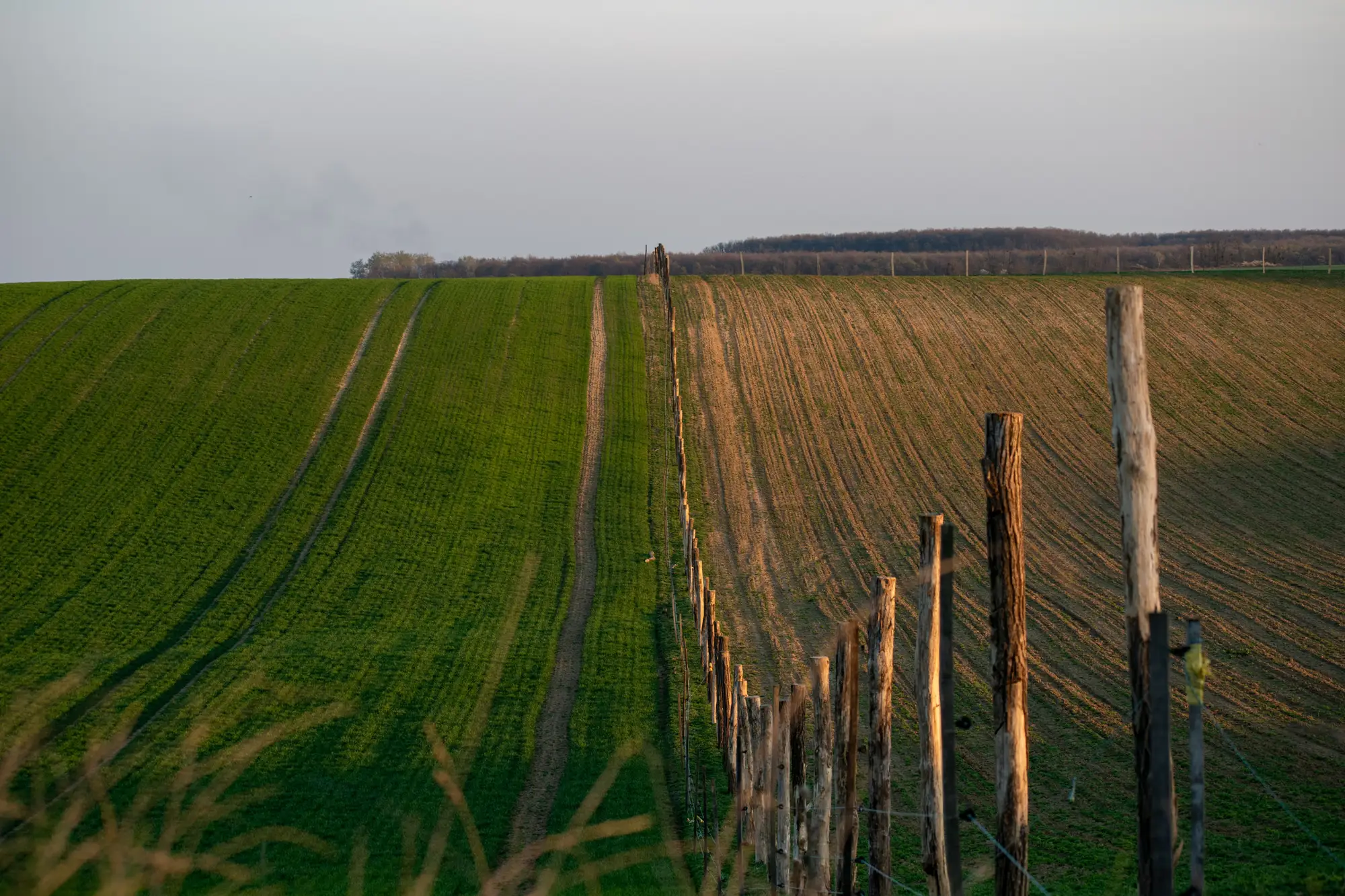
Every March, before the claim season opened, we used to sit around a table with last year's parcel list and argue about the sample. Five percent, sometimes seven if the budget allowed it. Someone would pull a random number generator, someone else would say "we always hit the same regions, let's weight it differently this year," and we'd spend two days picking which fields got a visit and which got an assumption.
I did that job for eleven years. I know the sampling math cold: confidence intervals, stratification by crop type, extrapolation factors that turn forty inspected parcels into conclusions about four thousand. It's defensible. Auditors have been signing off on sampled inspection since before I started, and the methodology holds up in a tribunal if someone challenges it. But defensible isn't the same as comfortable, and I never got comfortable signing a report that said, in effect, we checked these forty and assumed the rest matched.
The five percent nobody picked was the uncomfortable part. Every region auditor has a parcel they wish they'd driven past, a grower who filed for wheat three years running who you always meant to check and never got to, because the random draw kept sending you somewhere else. You carry that one around, because you don't actually know, and "I don't know" isn't a sentence that belongs in a compliance file.
This season was the first one where that stopped mattering, because the question changed. Instead of asking which parcels to visit, the office asked which parcels don't match what grew there. Every claimed parcel got looked at across the season, not a sample weighted toward the fields that happened to be easy to reach by road. The flag list that came back wasn't a confirmation of the parcels we already suspected. A third of it was parcels nobody had looked at twice in years, because they'd never come up in a draw.
That's the part worth sitting with. A sampling method, however well designed, has a shape. It tends to find what it's looking for in the places it's used to looking. Full coverage doesn't have a shape. It just reports what grew.
The fieldwork itself changed less than I expected. We still send someone out, still walk boundaries, still talk to the grower about why the maize didn't come up on the north corner. What changed is what triggers the visit. It used to be a seat on a list decided in March. Now it's a flag that showed up because the crop signal on a parcel didn't track what was declared, and the inspector goes out knowing roughly what they're going to find before they open the gate.
There's an argument that this makes the auditor's job smaller, more mechanical, a rubber stamp on whatever the flag list says. I don't think that's true yet, and I'd push back on anyone who treats it that way. The flag tells you something doesn't match. It doesn't tell you why.
Drainage, a late replant, a boundary that's drifted on paper but not on the ground, a genuine false claim. That's still the inspector's call, same as it always was. What's different is that the call gets made on every parcel carrying a question mark, not just the subset that fell inside a sample frame drawn before the season even started.
There's a parcel from my sampling years I never got to visit, a wheat claim that kept losing the draw three seasons running. I don't know, to this day, whether it would have flagged anything. But I know now that under a full-season check, it wouldn't have sat unexamined on the strength of a coin flip. That's the thing sampling never gave us and coverage does.
If your office is still arguing over the sample list every March, Subsidy Monitoring's parcel-by-parcel check is worth a look before next season's claim window opens.
Try checking every parcel this season instead of guessing on the rest.