2 November 2026
Field notes: the register that used to get five percent of our attention
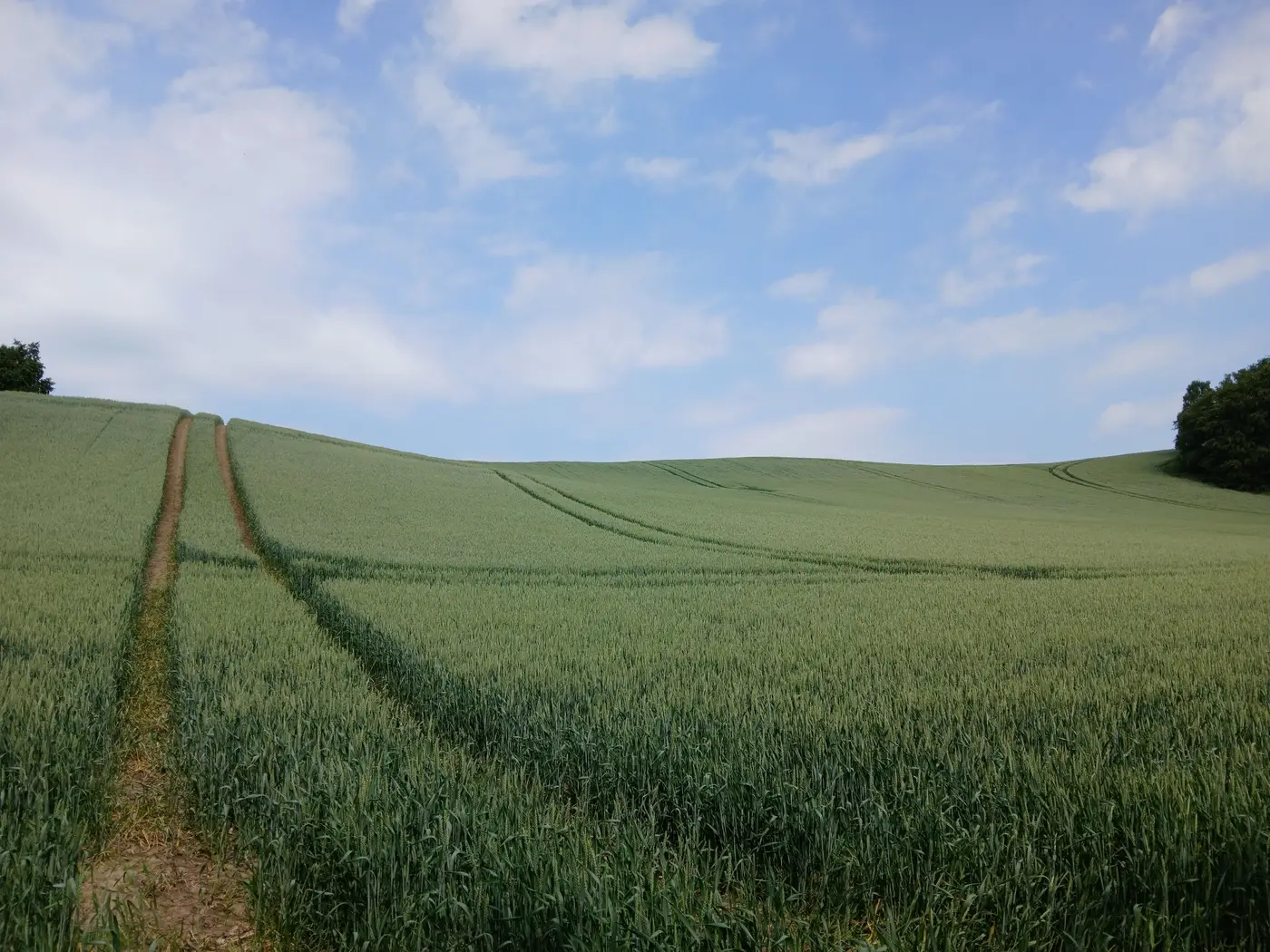
Every spring the control sample came down from the risk model like weather. Some years it was four percent of the register, some years six, depending on how last year's error rate had landed and how much budget the inspection unit had left after cross-compliance checks ate into it. The rest of the register, the overwhelming majority of what growers had claimed, sat untouched until the next audit cycle, if then.
I spent a long stretch of my working life inside that four-to-six percent. You learn the rhythm of it. The risk score pulls in parcels with a history of late declarations or boundary disputes, a handful of genuinely random selections keep the sample statistically honest, and an inspector drives out with a GPS unit and a folder of satellite imagery old enough that the crop in the photo and the crop in the field sometimes don't match for reasons that have nothing to do with fraud. You write up what you find. You extrapolate an error rate to the rest of the population. You sign off a report that someone in a ministry finance team will reduce to a single number, and you move to the next file.
Nobody in that job thought the other ninety-five percent was fine. We thought it was unobserved, which is a different claim entirely. Sampling exists to manage a shortfall in time and people. It says nothing about whether the unsampled majority is clean, and auditors understood that better than anyone reading the summary report ever did.
What counts as checkable has changed. A multispectral pass across a wide swath of claim area, run across the whole season, turns "what's actually growing there" into something you can hold next to the claim for every parcel in the register, including the ninety-four to ninety-six percent the inspection budget never reached. The sampling era was a workload problem dressed up as a statistical method, because there was no other way to look at a million parcels with forty inspectors and an October deadline.
The shift away from that isn't dramatic from the inside. Nobody stands up at the campaign kickoff and announces the sample is retired. What happens is quieter: the flag list that used to arrive as forty field reports starts arriving as a parcel-by-parcel layer covering the whole register, and the desk officer's job moves from deciding who gets a visit to deciding which flagged discrepancies are worth one. The random-selection component of the old sample, built to keep the risk model honest against its own blind spots, still earns its place. What stops making sense is treating the other ninety-six percent as a number you infer instead of a set of parcels you could check yourself.
None of this makes the old regime a bad one. Given what field inspection costs, in mileage, hours, and the raw number of growers you can physically reach before harvest closes the window, four to six percent was a reasonable answer to a hard constraint. The constraint just moved. Coverage used to be the limiting factor on how much of the register got checked; diligence was never the thing in short supply. Running that check across every claimed parcel for a full season, instead of a sampled few, is the shape of the answer once coverage stops being the limiting factor, and it changes what a desk officer's week looks like more than it changes what the register contains.
If your current audit plan still opens with "which four percent," it's worth finding out what the other ninety-six look like this season.