19 October 2026
Field notes: the parcel that greened up two weeks after the claim window closed
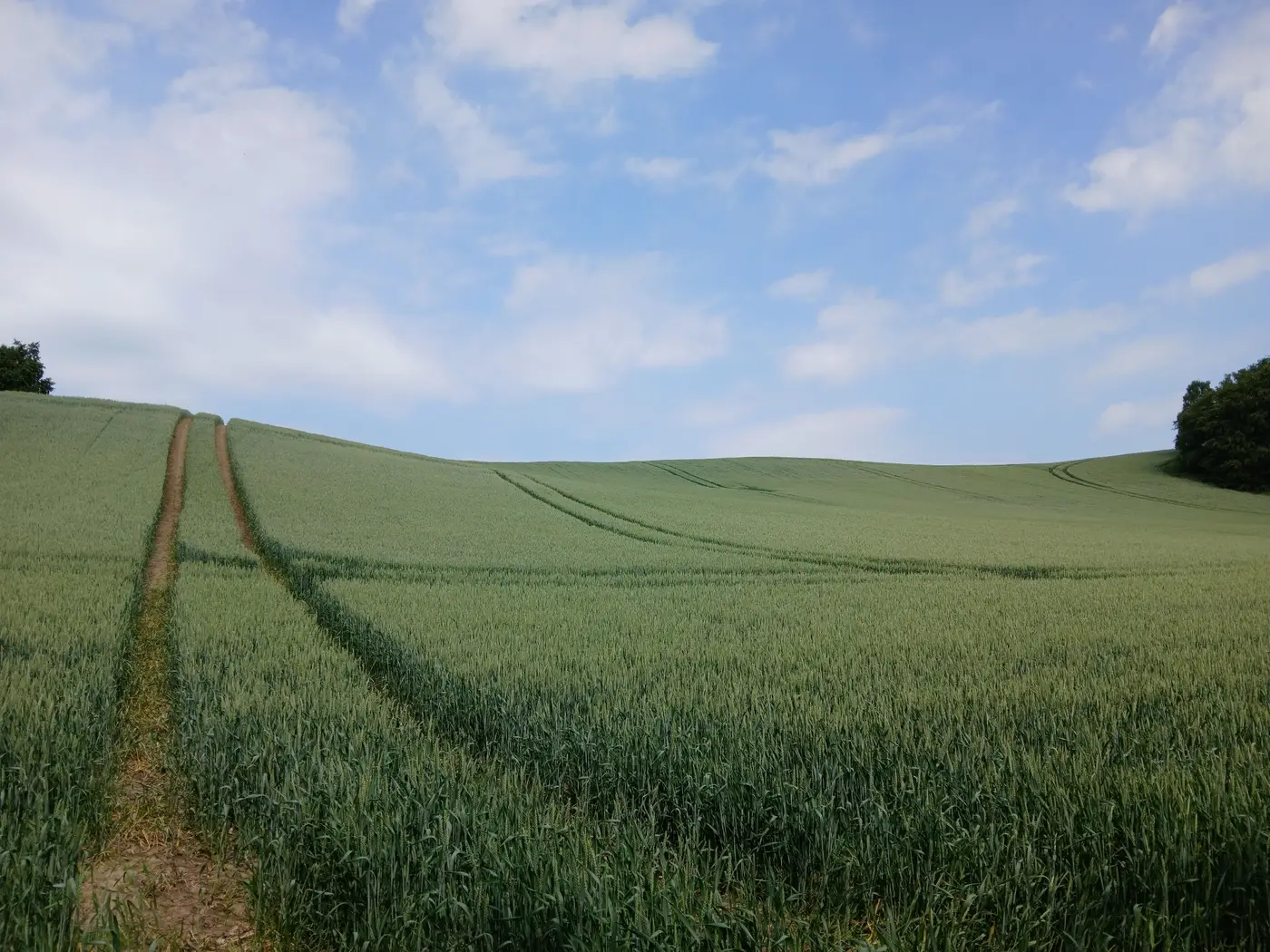
Every auditor who has done this long enough has a parcel like this one filed away somewhere. Not fraud, not quite a clean file either. Just a field that sat bare on the date it was supposed to be growing something, and then wasn't bare two weeks later.
The claim listed winter wheat. The inspection round, scheduled around the standard window for that crop and that region, found stubble and bare soil on a parcel that should have shown canopy by then. On paper, that is a flag. In practice, the farmer had drilled late, chasing a dry spell after a wet autumn, and the field greened up right on schedule for a planting date that happened to fall after the window the program had drawn around it.
Nobody did anything wrong. The crop went in. It grew. It got harvested in the ordinary way. The paying agency only has one or two dates on the calendar to look at each parcel, and this one happened to fall between them.
Why claim windows and real planting dates drift apart
Claim windows get set with a typical season in mind: typical sowing date, typical emergence, typical canopy closure. Most years, most parcels follow that curve closely enough that a sample inspection on the expected date catches what it needs to catch. But weather does not read the calendar the program office set, and late planting is not rare. It is the normal cost of doing business in any year with a wet spring or a delayed break in the autumn rains.
A fixed inspection date assumes the field is on the average curve. A late-drilled parcel is on its own curve, running two or three weeks behind. If the inspection lands in that gap, the parcel looks non-compliant on the day someone happened to look, even though it was never actually a problem crop. Flip that around and the same gap hides a genuinely bare field that gets planted just late enough to still show green by the time anyone checks back, if anyone checks back at all.
What a single pass can't tell you
A sampled inspection round gives you one frame of a field that is otherwise moving the whole season. You get a snapshot, and you have to decide whether that snapshot represents the whole story or just caught the field at an awkward moment. Most of the time an inspector in the field can tell the difference. Over a large caseload, with a small team covering a wide area on a tight schedule, the awkward moments add up, and some of them get flagged or cleared on a guess.
Watching the parcel across the whole season settles the question that a single date can't. A wide-swath multispectral pass that covers the claim area repeatedly through the growing period shows the canopy signal arriving two weeks late and still arriving, a different finding from a field that never greened up at all. Resolution in the 10 to 30 meter range covers a whole claim area in each pass while still tracking a parcel's growth curve against what it should be doing throughout the season.
That's the shift Subsidy Monitoring is built around: check every claimed parcel against a season-long record instead of a sample taken on a handful of fixed dates, so a late start reads as a late start and not as a flag that needs an explanation it was never given the chance to provide.
The next late-planted parcel on your desk deserves a season's worth of passes before anyone calls it a problem.